Still Life: a work of art that shows inanimate objects from the natural or man-made world.
Memento Mori: Latin – ‘Remember you must die’
Vanitas: Latin -‘for vanity, reminding us that vanity and material possessions do not preclude us from death’.
Todays lecture talked about how images, even seemingly simple ones, can have much deeper meanings.
Historical still life paintings often show a grand and ornate composition of inanimate objects which symbolise something to the owner who commissioned the artwork. Food, wine, jewels, or similar treasured possessions, celebrations of their wealth would all play a part in the composition.
Art history also shows that still life images can be devices of great atmosphere, with an underlying message of life and death, or memento mori. A burning candle, hour glass, flowers, time pieces, cut flowers that will slowly die, a skull, all representations of the fragility of life and symbols of mortality. Books, wine, musical instruments add to the vanity of the image again signifying wealth, items which we hold dear but are often linked with vanity, which of course in the grand scheme of life have no value. During the 1600’s this type of artwork was in demand and of course at that time God, mortality and the afterlife still had great significance in peoples lives.
My art intellect is only now beginning to broaden and this is a concept I had not consciously recognised previously. Comparing these historical artworks to the modern counterparts of this same genre can be somewhat challenging.
I can see how commercial images and advertising plays a part. It promotes fear; the fear of missing out; fear of if we don’t have ‘this’ or ‘that’ item our lives will be poorer [we believe] or selling us the whole lifestyle we may reach if only we obtain the [advertised] item. The basis is always money and vanity.
There are numerous photographers who each have their own concept of this subject. Some are complex and others take a simpler or even humous view. Edward Steichen was said to be of quite an age when he produced his image Diagram of Doom, perhaps signifying his life was coming to a close like the light of the day and the elongated shadow of the butterfly on the paper. https://tinyurl.com/yc4ftknr
Emma Hamilton, used to seeing dead animal meat [coming from a family of butchers] used her knowledge of dead flesh and created ‘flowers’ which unless one looked closely look remarkably like the rich coloured still life flower art hanging from a Victorian wall.
Lucinda Devlin’s ‘The Omega Suites’ had quite a grim reality of prison execution chambers. https://www.lucindadevlin.com/the-omega-suites
Then there is Sian Bonnell and her ‘Everyday Dada 2003 -5’ in which she takes everyday food and consumables using them in quirky and thought provoking re-purposing ways around the home. https://www.lucindadevlin.com/the-omega-suites
We have been asked to find our own ‘Magic in the Mundane’ image for this Lecture.

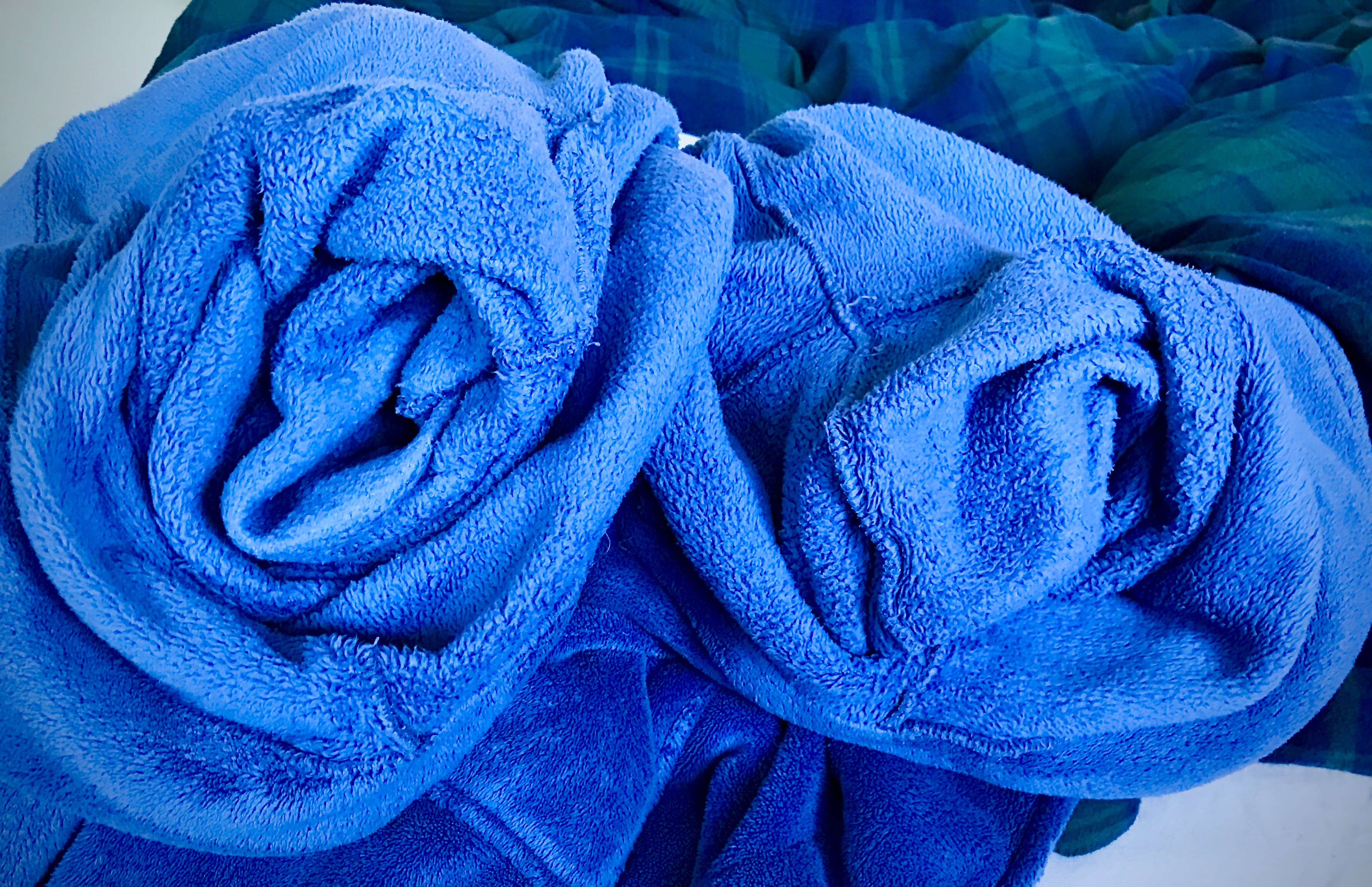
The Dolphin! He wore Blue Velvet roses
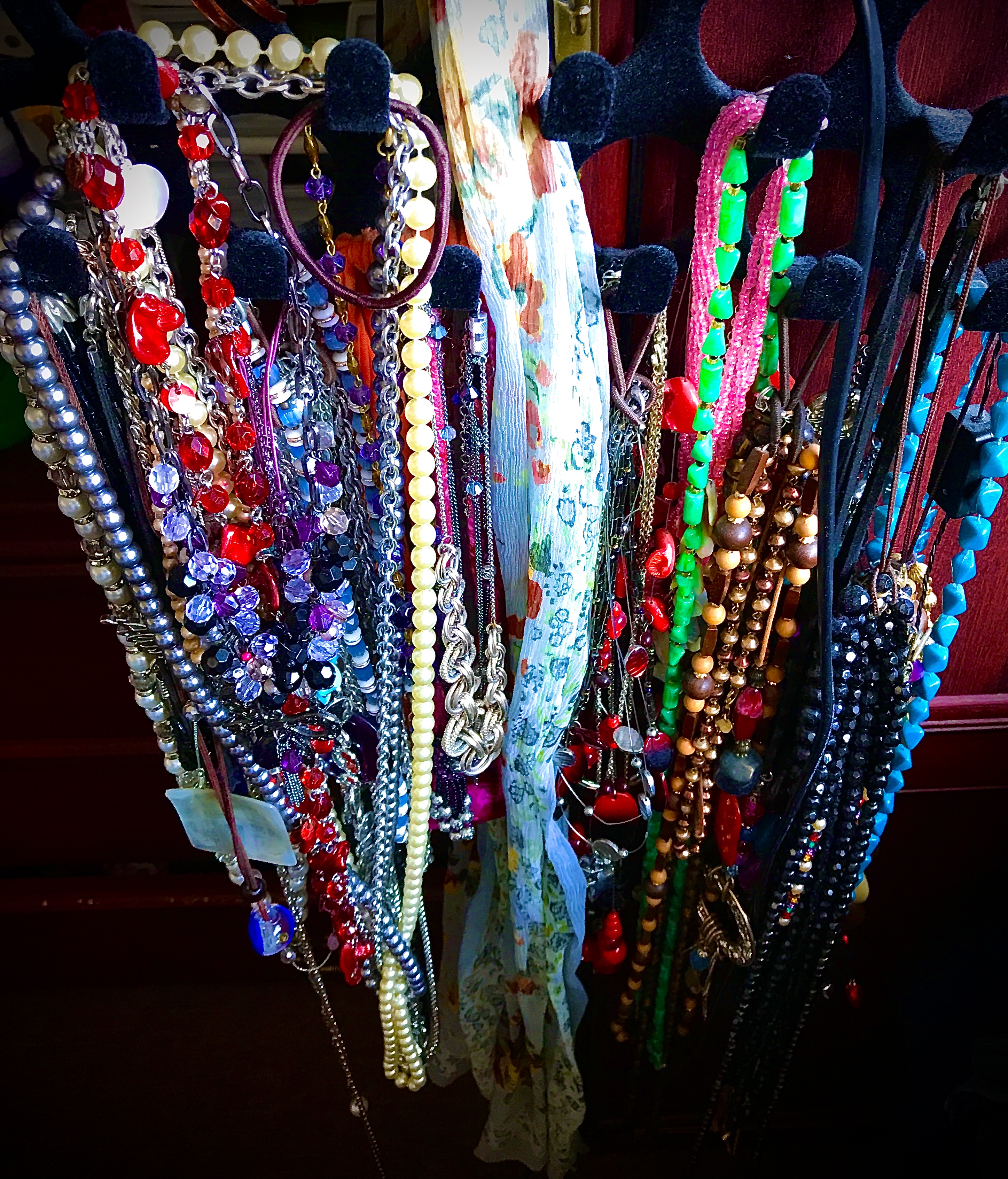
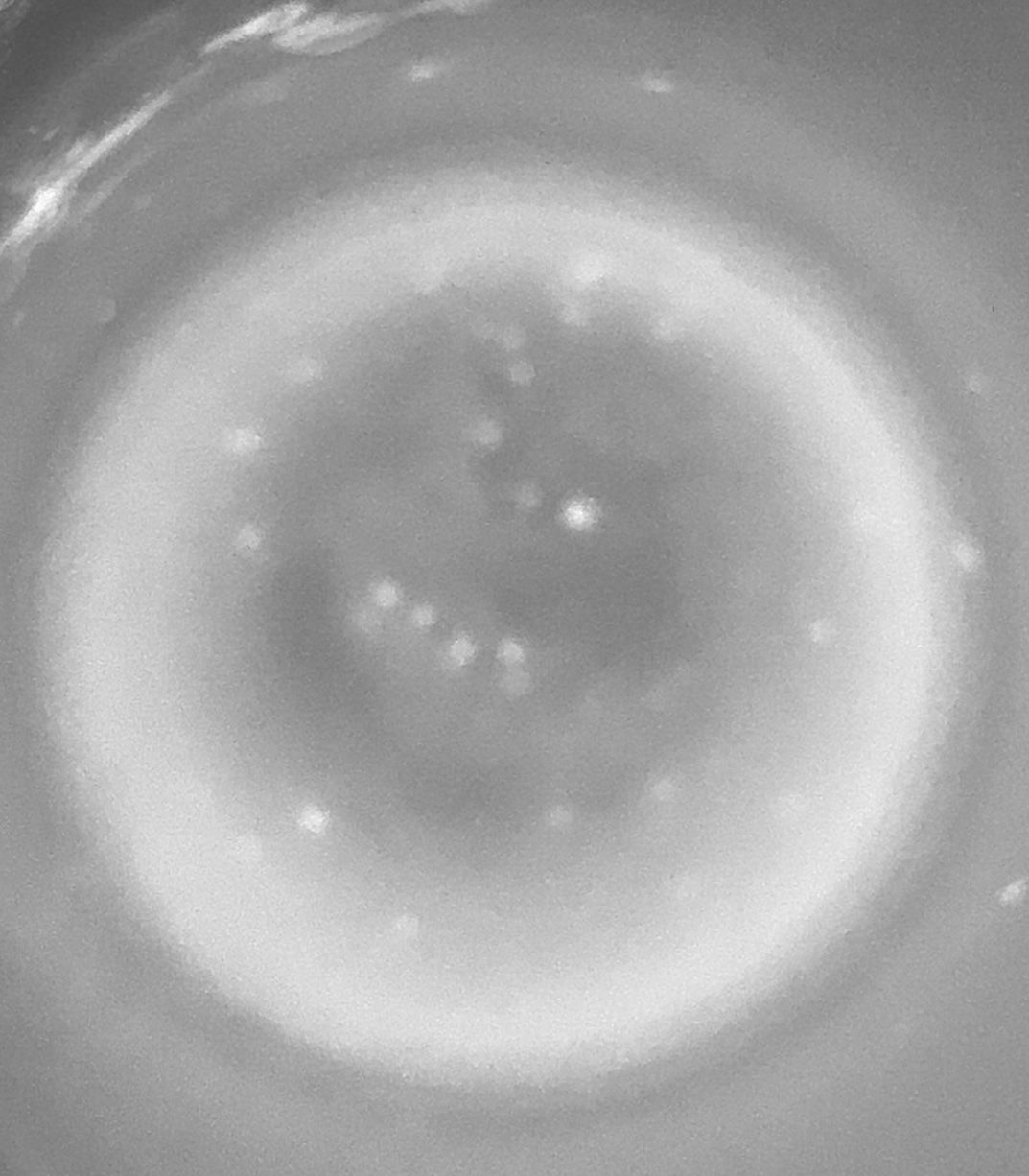
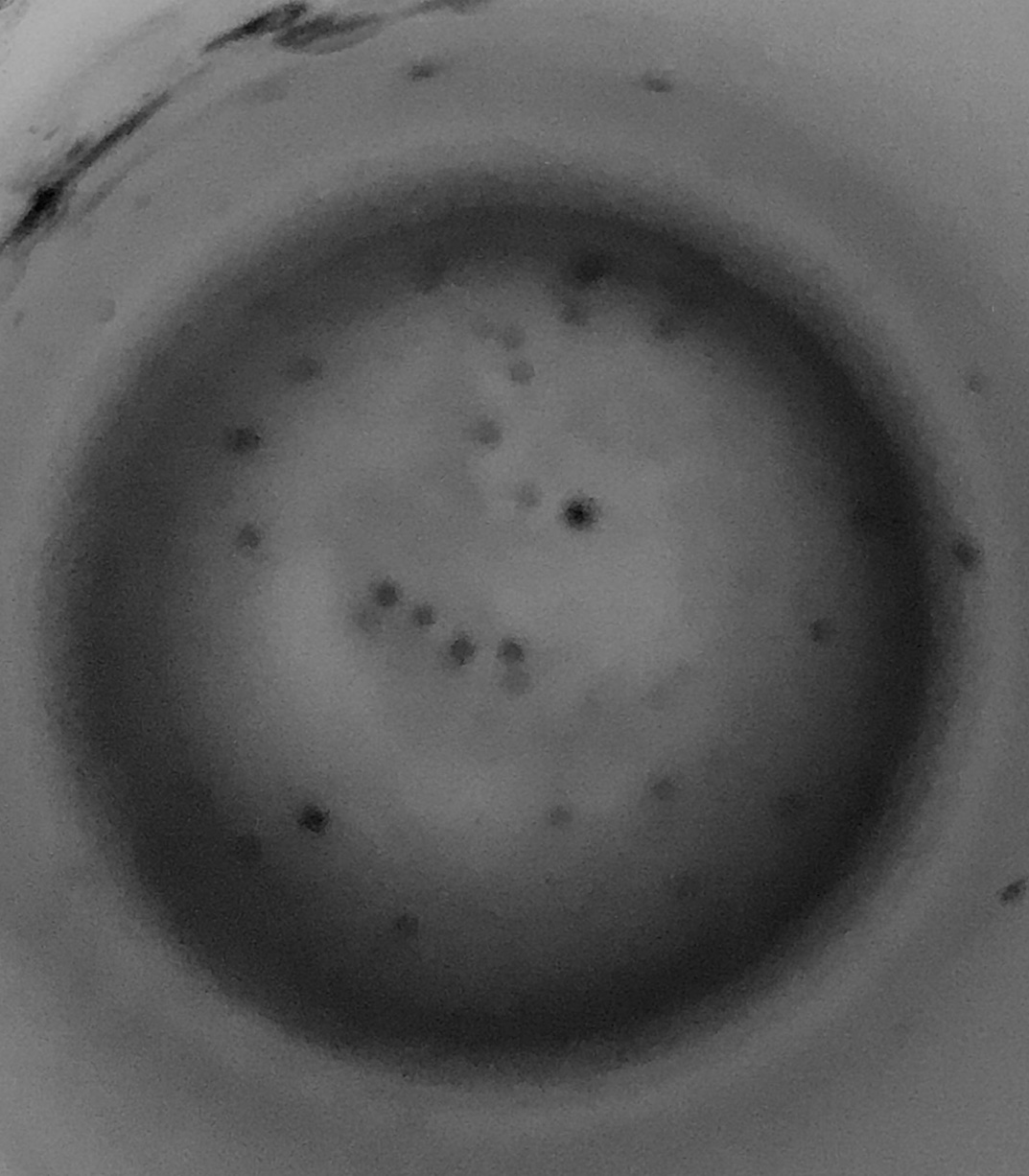
Splash of Colour Under the microscope or the night sky?
iphone 7 [+edit]
I am enjoying your posts Alison, they are authentic and considered. i also like your magic in the mundane images; especially the petri-dish type/starry sky pictures.