When we take a photograph we keep an image of that moment, it may be something for us to remember personally, or it may be captured to show someone else, friends, relatives work colleagues, or it might be to present as an image that means something has to change? These moments can still be shared with a small number of people, for instance an ‘info shot’ to your facebook friends for example “avoid the A 500 near the Longport turn off folks, traffic is backed up because of an overturned lorry” and you add an image – I’ve done this [as a passenger of course!] Or you may take an image of a protest march, a strike picket line, and send it far and wide over a variety of internet platforms. It’s all going to cause some sort of change; it’s going to resonate with someone somewhere and will get a reaction.
Photographers who spend time on a cause they become close to, can use their images to make great social changes. But they also then become involved in the cause themselves and in doing so gather more people than perhaps their initial group, people who have further skills and are able to make huge impact on a social issue, just from that first image, photography is very powerful.
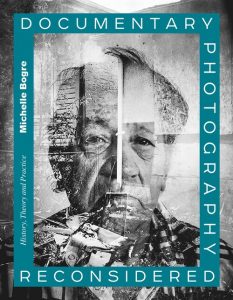
Michell Bogre is a photographer, author and educator through her work she has been able to provide in depth interviews with many contemporary photographer activists which are contained in her book ‘Documentary Photography Reconsidered’.
Her own photography work has been included publications: Time-Life Annual Photography series, Family of Women, Beauty Bound, her work has also featured in group exhibitions. Developing courses including Copyright, Culture and Morality, Photography as Activism and Photography and Social Change and Intellectual Property in the Digital Age. In her role as educator, she has taught undergraduates and graduates and is obviously extremely passionate about giving students the tools and knowledge to make informed decisions on how to use their own images with the most impact.
Having stepped away from full time teaching she continued to work on her project ‘The Farm Stories’ the decline of ‘family owned’ farms in the United States of America and their difficulties sustaining a realistic income in todays’ climate. She is raising awareness to promote their dedication as better stewards to the land than the large corporate operations ‘in order to generate support for legislation that then supports the farming families.’
She decided to only approach farms of friends who were acquainted with a family farm and says this for her has given ‘a more interesting socio-economically diverse group, from Gueydan, LA, to Elk Mountain WY, to Almond growers in Willows, CA.’
I have no doubt that with her knowledge of the law of copyright, photographic and educational skills abound her campaign will succeed.
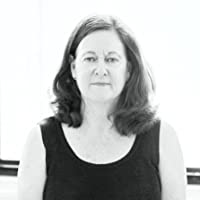 Michelle Bogre
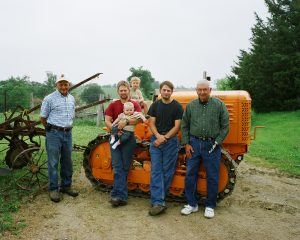 The Farm Families http://www.michellebogre.com/