Today we looked at photographic images and how they are exhibited.
It’s a huge subject matter.
We start with: Linear
‘Linear- Lines Consisting of relating to lines or length’ [Cambridge Dictionary]
in the case of displaying photographs I suppose this means the images are set out in a line or lines which tends to [broadly speaking] form a narrative? This was our example, a simple narrative.
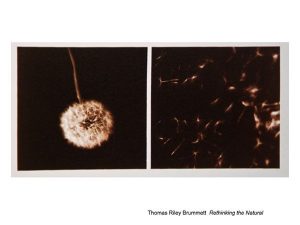
Non- linear – The opposite of the above.
So in the photographic sense – images that don’t follow on, the narrative might be mixed up?
First example of many in the lecture:
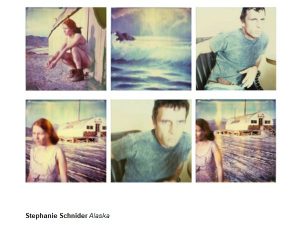
The images may well create a narrative but it’s not obvious ?
Sequencing Techniques:
We had lots of examples of sequencing techniques of individual images framed and wall mounted together
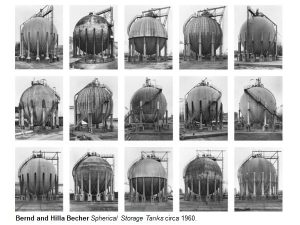
or arranged like Bernd and Hilla Becher well known for their typologies:
Installation strategies
Here is where it gets a bit more complex, as I suppose a lot of it comes down to what is in the photographer/artist’s own mind as to how they want their work displayed. They may have a definite vision from the start or they may need to look at the space available to them before they create their exhibition. I am sure that the curator and artist will get together to discuss the strategies they both envisage.
Exhibitions are often a mixture of sculptures, installations, photographs and media like the one we visited at the Ikon.
For my own Impossible Exhibition I now know where I want to exhibit and which of my own images that I want to use. Other artists I want to exhibit are a mixture of ceramic artists/designers from the past alongside industrial artist Lowry and local artist Sid Kirkham. The Bechers will fit in with my industrial past theme as will local photographer Richard Howle who among things photographs the historical remains of Stoke on Trent.